
Slackers’ Wage
What Minimum Wage Actually Does

Many people support a minimum wage without understanding the impact, particularly in a digital economy. The general idea behind minimum wage was aimed at corporations offering dividends to investors. A minimum wage would shift more of such corporate funds to workers. Unfortunately, minimum wage laws now apply to virtually every organization, with the exception of tipped servers.
If you are running a business which does not issue dividends or even have stockholders, the costs of the minimum wage become a challenge. You have to figure out the best way to keep the most productive employees with good pay while removing the least productive employees. To accomplish this, the best option is to pay well above the minimum wage and leave lower-paying jobs to other businesses to hire slackers.
Sounds good, right? But it actually raises the costs of everything for everyone and ends up actually bringing people closer to the poverty line. This is inflation caused by the artificial adjustment of numbers which are not based on actual productivity. To add, businesses find many unique ways to combat the extra costs. One trick is to allow normal attrition of employees to reduce staff numbers. Another trick is to slightly shorten hours. Another trick is to install vending machines.
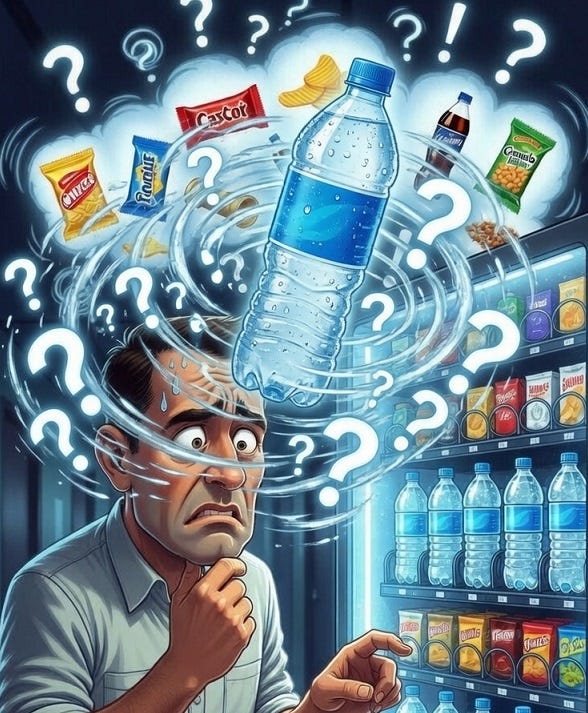
Reader: What the heck are you talking about?!? Vending machines?!?!
Yes, vending machines. A business had reduced hours, which meant customers waited longer. Installing or adding a vending machine made financial sense as customers were more likely to want something to eat or drink while waiting. Employees viewed it as an upgrade, but the vending machines were merely meant to pickpocket them and swindle them out of their money.
But to add to the misery of waiting, the manager of this one business made a point of making customers wait to conclude business with them, knowing the longer they waited, the more likely they were to buy something from the vending machines. And it does not end there....
Employees complained to the manager about the bottled water being too expensive, so the manager lowered the price substantially. But employees ended up ridiculing each other and labelled anyone buying such water as a cheap skate and not doing enough work to buy something better. Nothing will change the fact: people judge each other. The employees ended up buying soda and energy drinks, which management had already increased the price by 10 to 20 cents over a few months to avoid depletion of product.
In other words, the class conflict and marketing exploits only increased with changes to the minimum wage. At the same time, customers bought the water and were lured to buy chips at a marked-up price. This is how the business was able to cover the costs of wages.
Minimum wage is sold as a positive gain with no trade-offs or consequences, but trade-offs and consequences are far more nebulous than people can imagine and are vastly prevalent with minimum wage and the raising there of.
Minimum wage is the most deceptive, nefarious form of price control. All it really does is to take away jobs from less skilled workers. Sad.